What Are You Rooted In?

The garden is growing! As usual, year after year some types of vegetable plants do better than others. This year looks to be a great year for cucumbers, first time ever! I think we finally got the growing location, nutrients, and water cycle just right!

In a moment of zeal, I planted too many cucumber seeds in my second planting so I had to thin the plants. I find the process of thinning plants very challenging. I see every plant as its potential, so when I pull a small plant or seedling I see myself taking all of its future fruit with it. But for two reasons, I don’t need so many plants. First, too many cucumbers can be a problem. I only need so many cucumbers for our eating, preserving, and farmstand sales. Second, growing more than I need isn’t doing the soil any favors. It takes plentiful nutrients to grow these plants. Such as having a overly packed calendar schedule (we have 24 hrs in a day) is too much for the human soul, having too many plants in a small space is hard on the fertility of the soil (it only has the ability to carry and provide so many nutrients).

As I pulled the cucumber plants, I set the seedlings in a pile that would end up in the compost. They slipped easily out of the soil but I saw that they still had excellent root systems started. By the time I was done with my project, I went back to gather the first plants I plucked and noticed these plants were already visibly responding to having been pulled from the soil. They were becoming limp. In otherwords, they were losing the signs of being healthy and full of life.

The soil I pulled the cucumber plants from has many elements of nutrition that the plant needs. I fully pulled the plant from the soil, so I took it from the more important thing it needed, the support of the soil which gives it a sturdy foundation to grow in. If I had left it in the soil, it would still grow but it might not be as healthy if it was lacking certain nutrients from the soil. Also, it would not be as healthy if I added too much of a certain type of nutrient. Cucumbers love potassium in the soil, but if I gave it too much, that could be as detrimental to its growth as too little potassium in the soil.

People are like this too. We have the core thing we’re rooted in. We also have various nutrients we need to feed our souls. And, what we need to grow is different for each human (such as it is for plants too!). If a person is pulled from what they are primarily rooted in, they will begin to wither. Or, if certain nutrients are removed or given too much of, a person will survive, but not thrive in this scenario.

Life in balance is an ongoing personal project for me and is always changing because of my environment. Summertime, for example, has a lot more dosing of my necessary nutrient of community. In summer I get more of that, but adjust elsewhere to make room for it. Just as the cucumbers may find perfect balance, then suddenly there is a cold snap, they may struggle. But, if they are in healthy balance in the first place, the cold snap will be less impactful on them.

What are you rooted in? Family? Community? Faith? Adventure? Learning? Teaching? Nature? Or….what else? Which one is your SOIL? Which ones are your NUTRIENTS?

Peace, Love and Nature,

-L

P.S. If you’ve been on long-time blog reader, you know I absolutely love learning from nature. I enjoy being part of it and I’ve learned that its a major nutrient I need for my soul to grow. Nature teaches me so much. And, in return I love to teach about nature. Last year I held Foraging Adventure for Beginners at White Sky Woods. This year I’m partnering with The Keweenaw Land Trust (KLT) and bringing Foraging Advernture for Beginners to KLT’s Steve Farm Nature Area. We’ll explore, identify, sketch and experience what wild plant foraging the Keweenaw region has to offer. Get all the details here!
Time to Hustle

Friends, it’s been so, so busy. Please don’t read this sentiment as a complaint, I’m not complaining, I’m one of those people who enjoys staying busy! But, I do need to be honest. Keeping up with the hustle involved with tending the garden, collecting the harvest, preparing and then perserving it in a timely manner can be exhausting. I like to compare these assiduous 3’ish months of harvest and food preservation to the time a non-homesteading person would take to earn money for food, plan for shopping, travel to and from the grocery store, walk around the grocery store shopping, and finally a portion of time spent preparing the food…but all done in mid-day hours of about 3 months time. It’s worth the effort. A bonus of being responsible for our own food is that we get the relief of knowing where our food comes from and saving thousands of dollars a year.

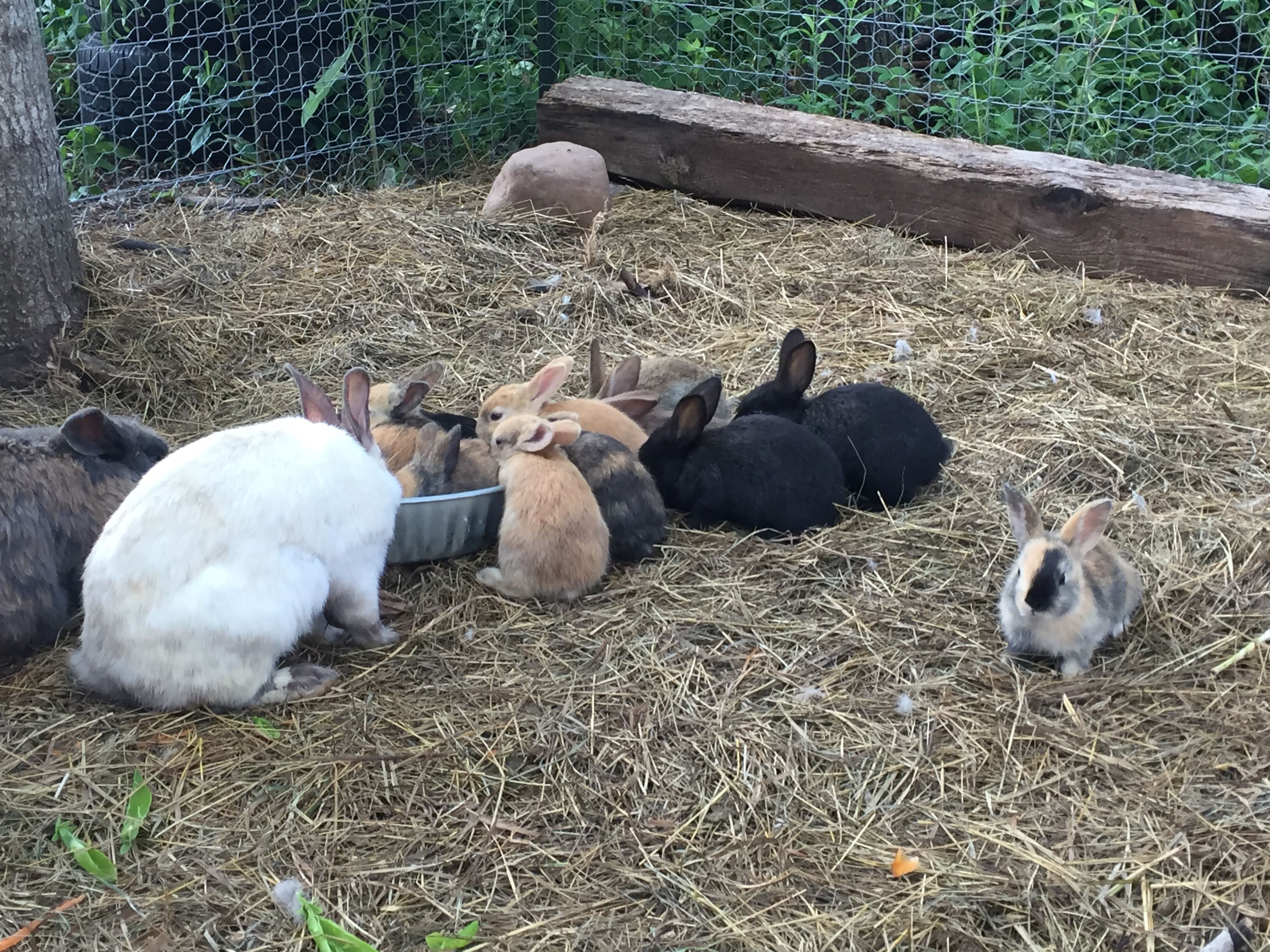
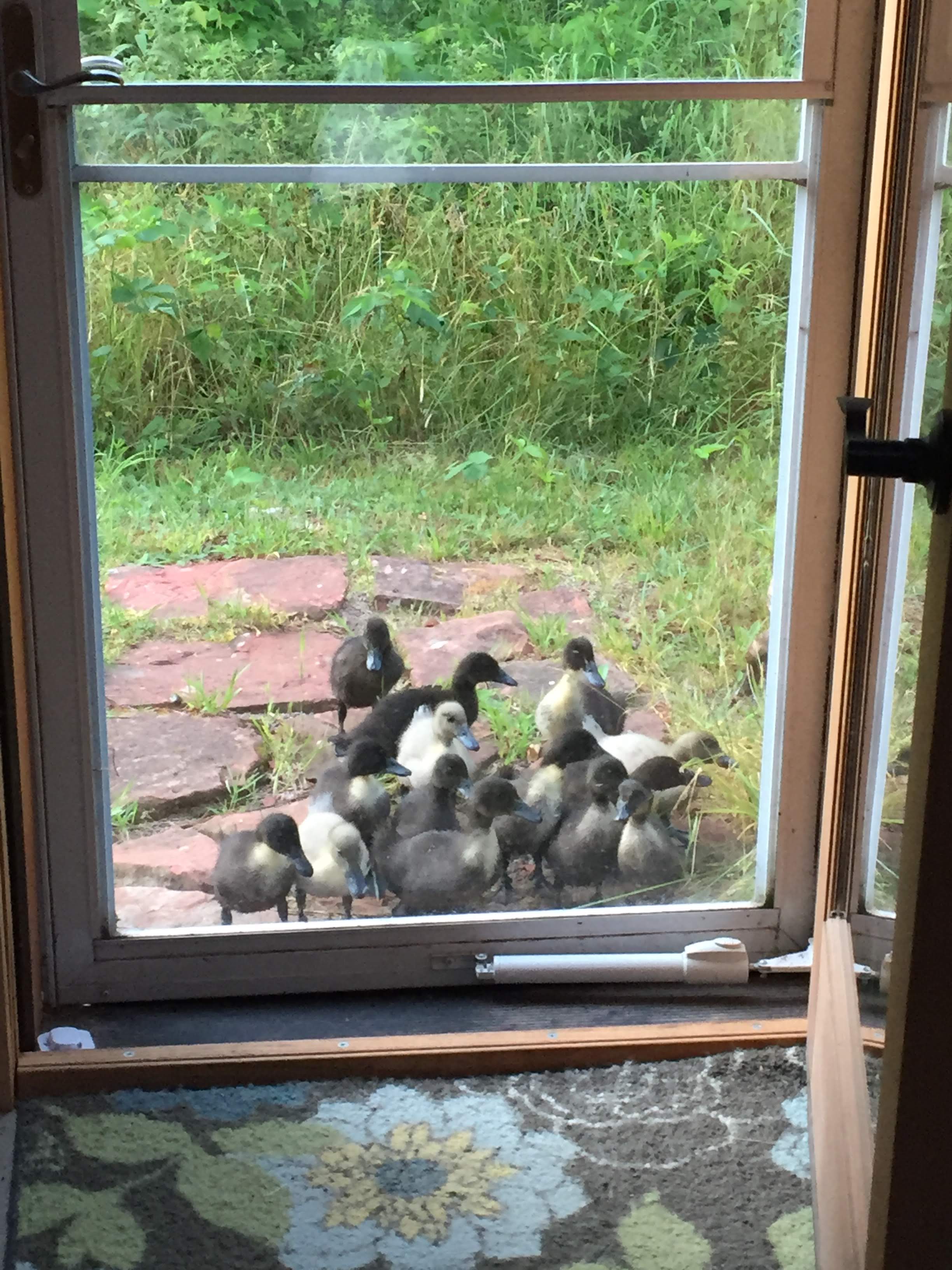
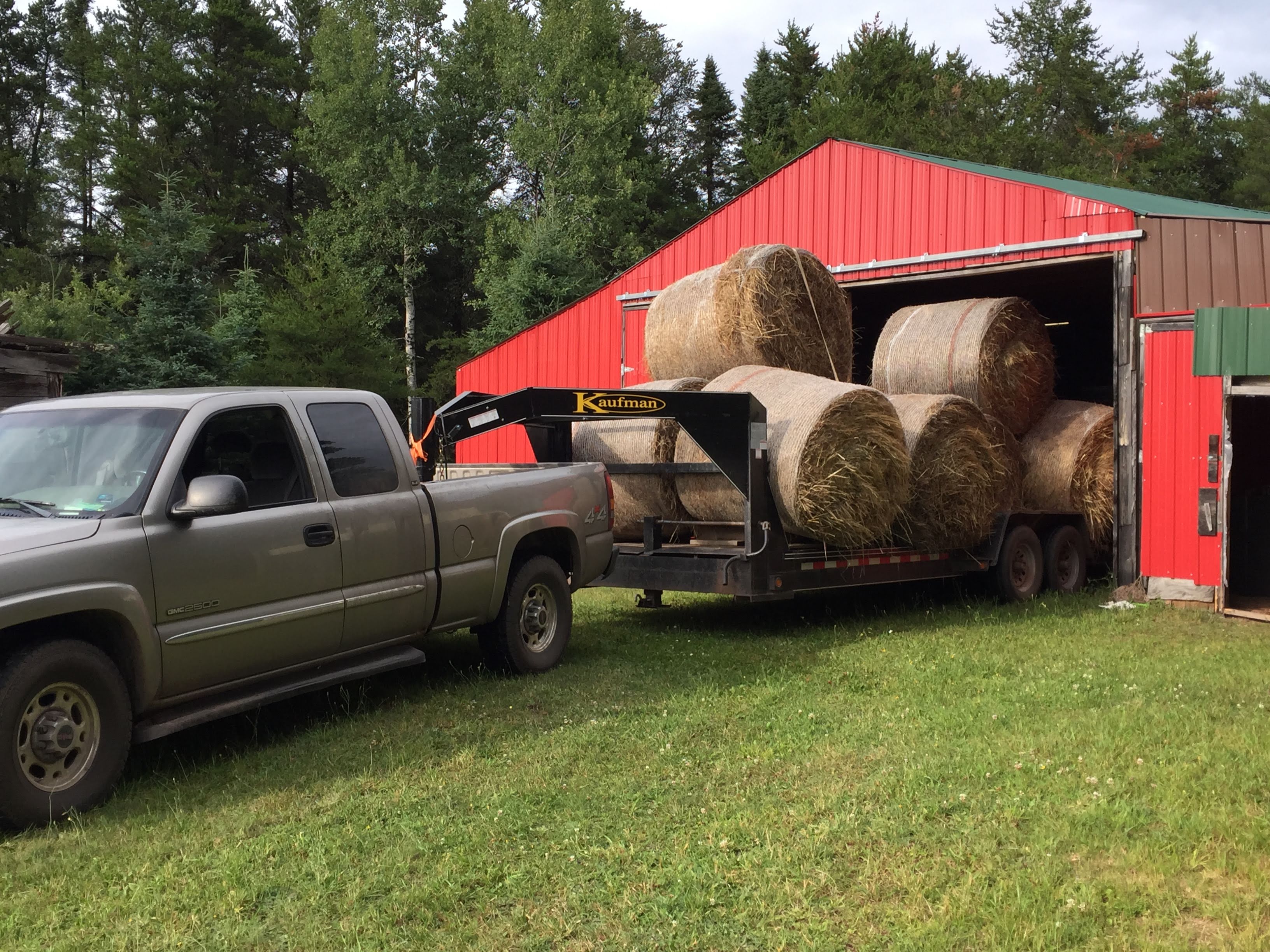
Add to the above: 2 kids having the “best summer ever”, Tim working his regular job, me fullfilling contract work, me planning a year of homeschool, a social life that I’m so grateful for, renovating the cabin for rental, caring for the animals (oh my, we have over 30 babies animals in rabbit and duck form here, with goat kids on the way), getting ready for winter heat needs by splitting wood, hauling and storing hay, and caring for ourselves – it’s so important to just stop it all and……breathe. I know we all feel this way, this overwhelm, no matter what phase of life we’re in or what commitments we have. It’s so very important we make space for downtime. We do this by enjoying a hike in the woods, spending time at the beach, laying in the hammock, or unwinding with friends over a bonfire.

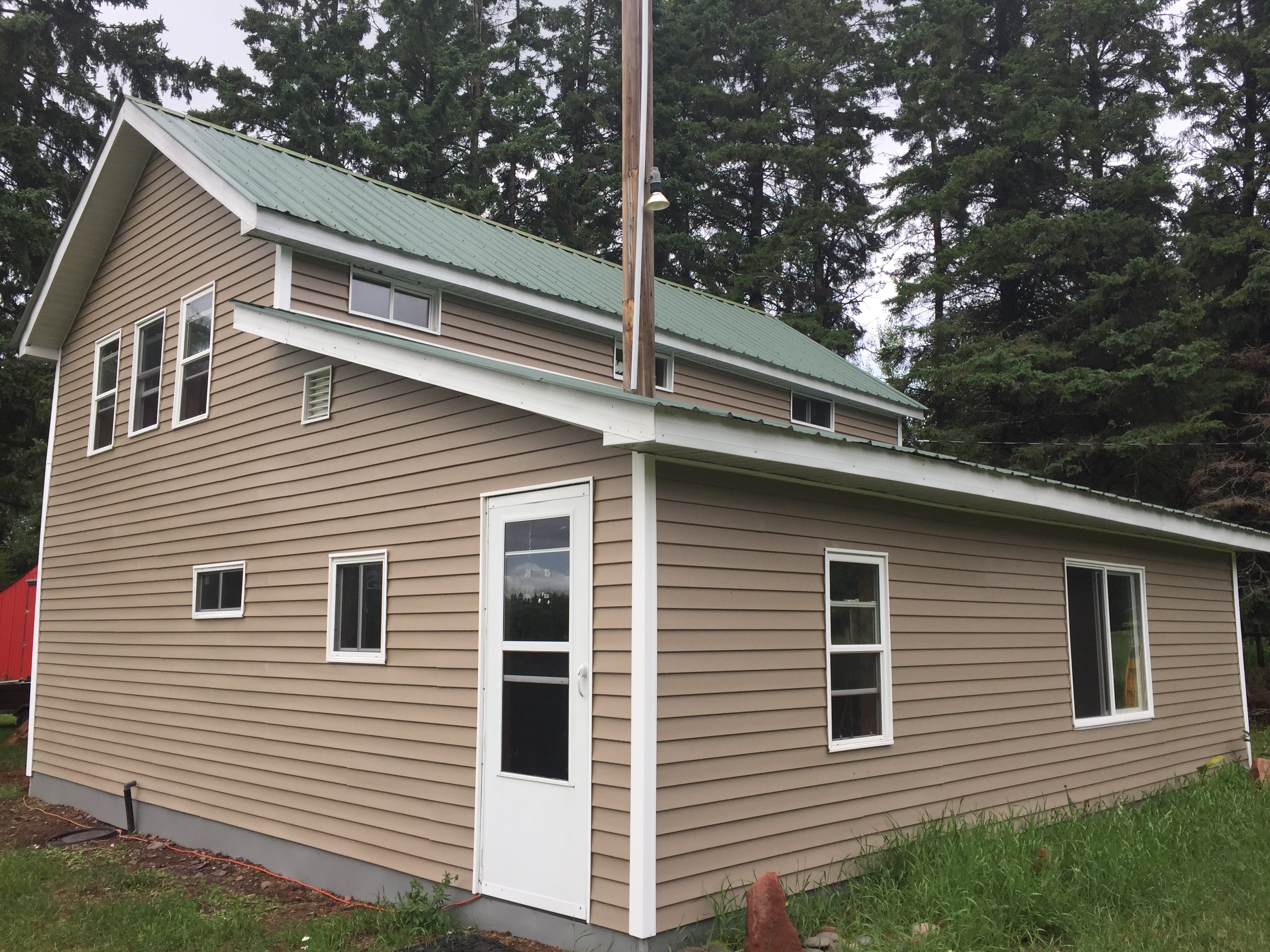
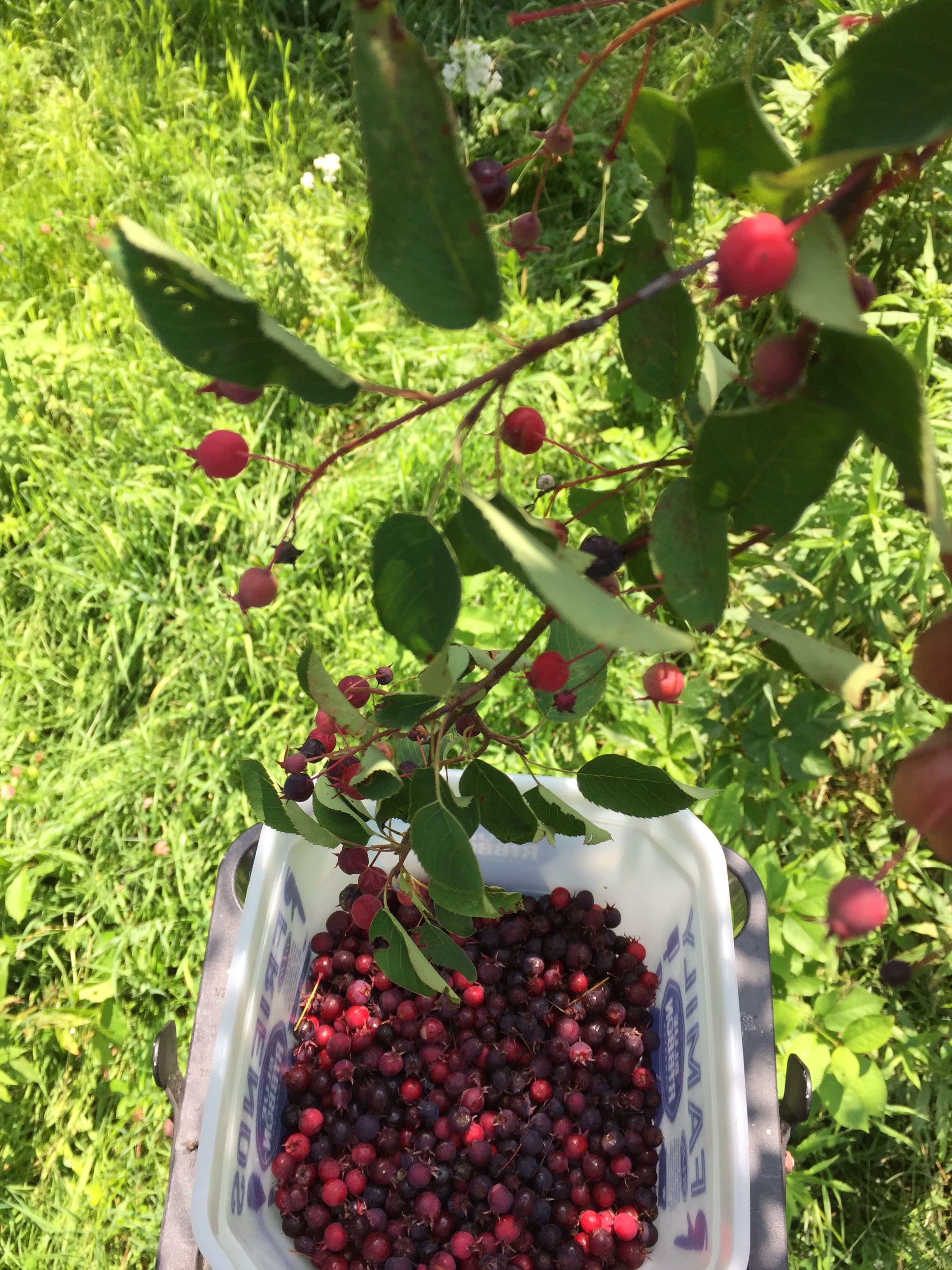
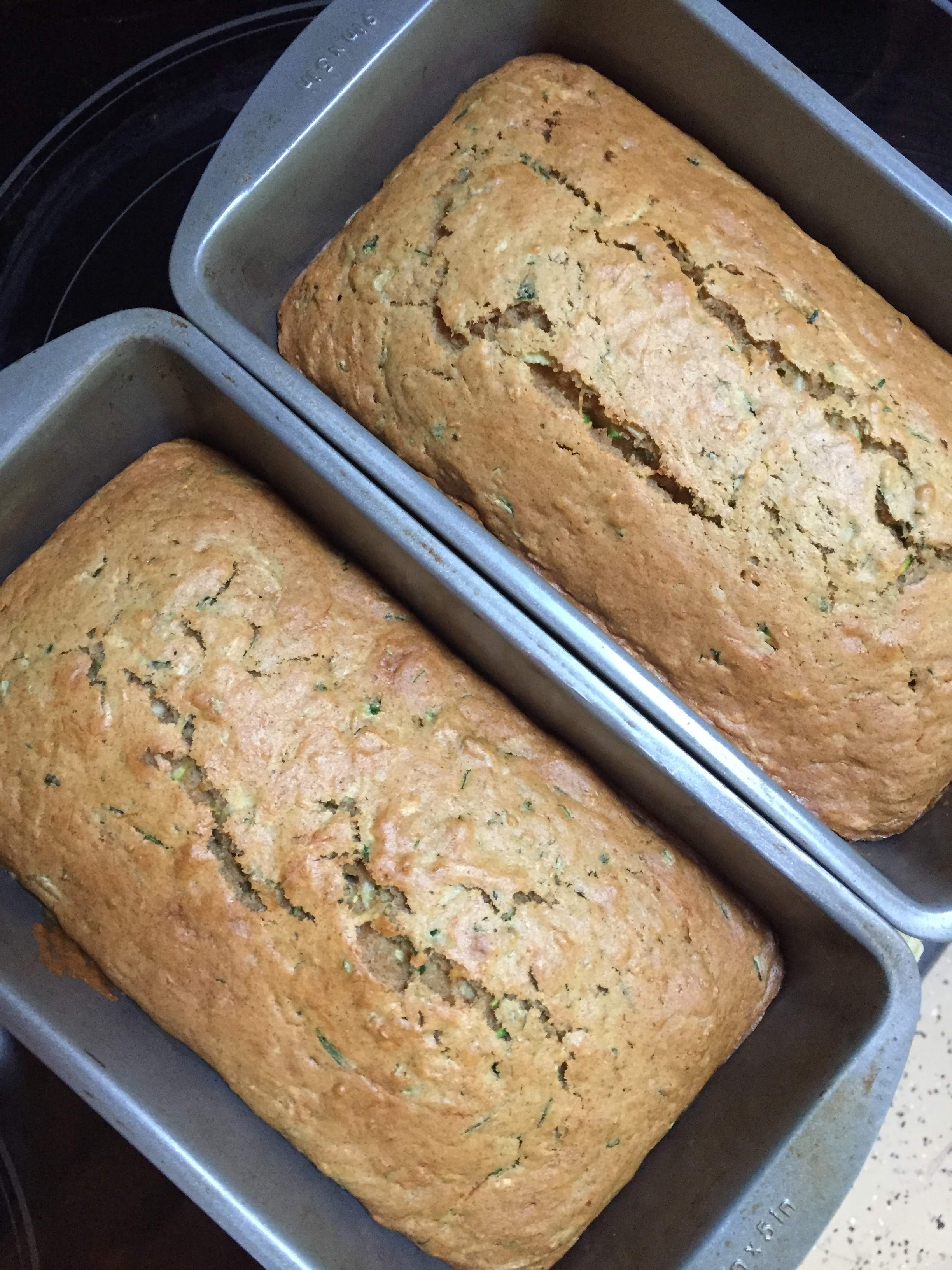
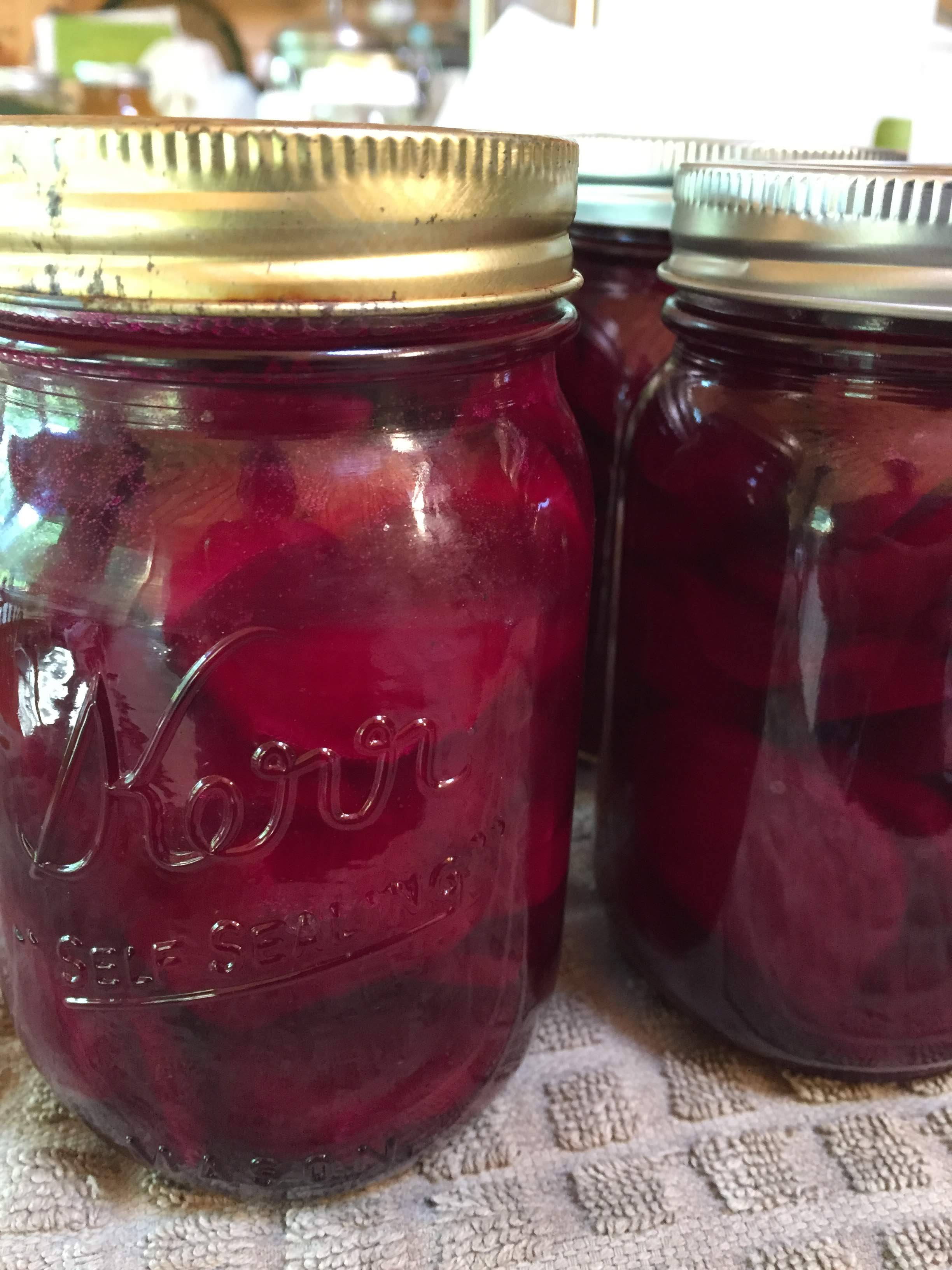
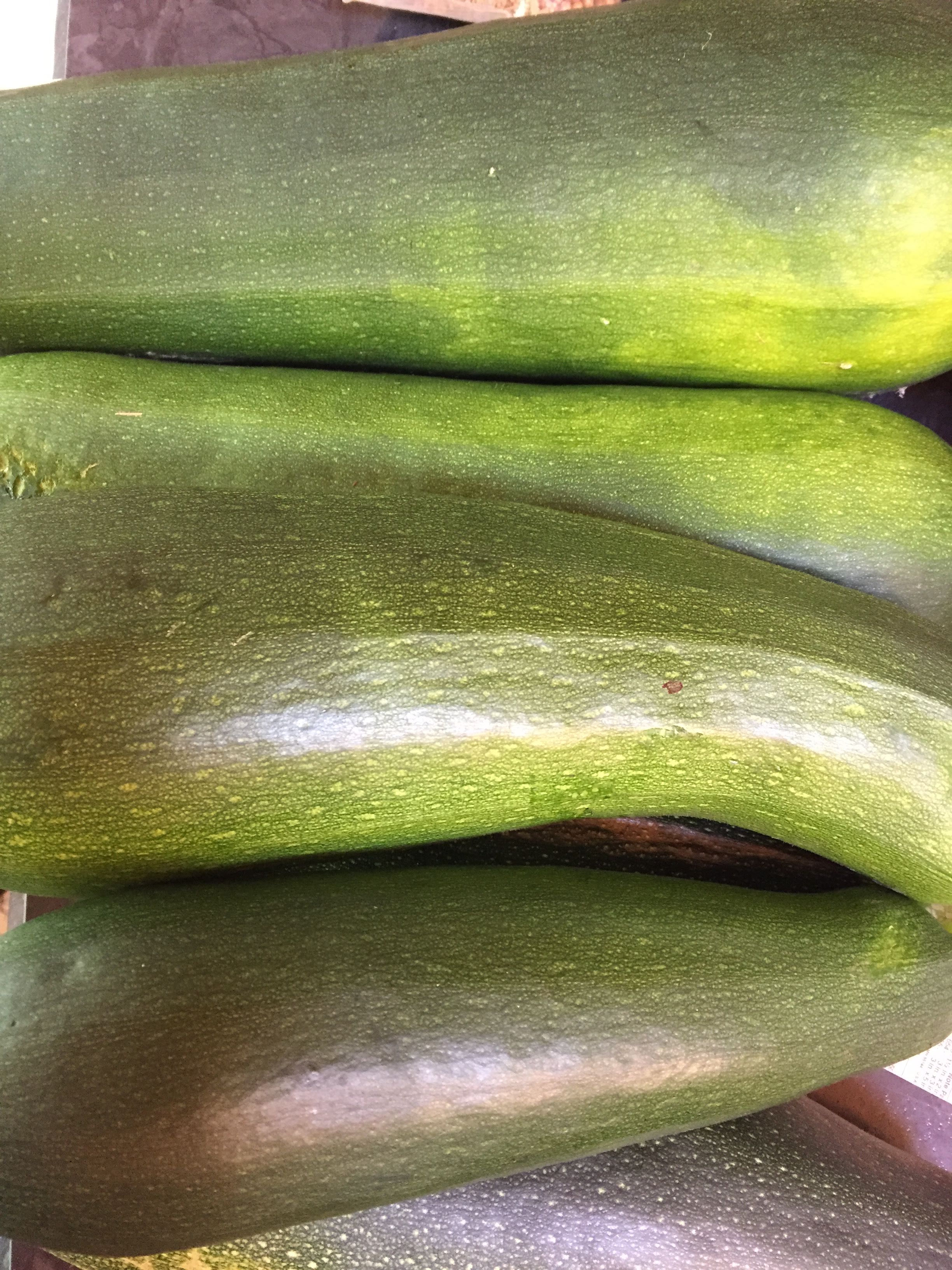
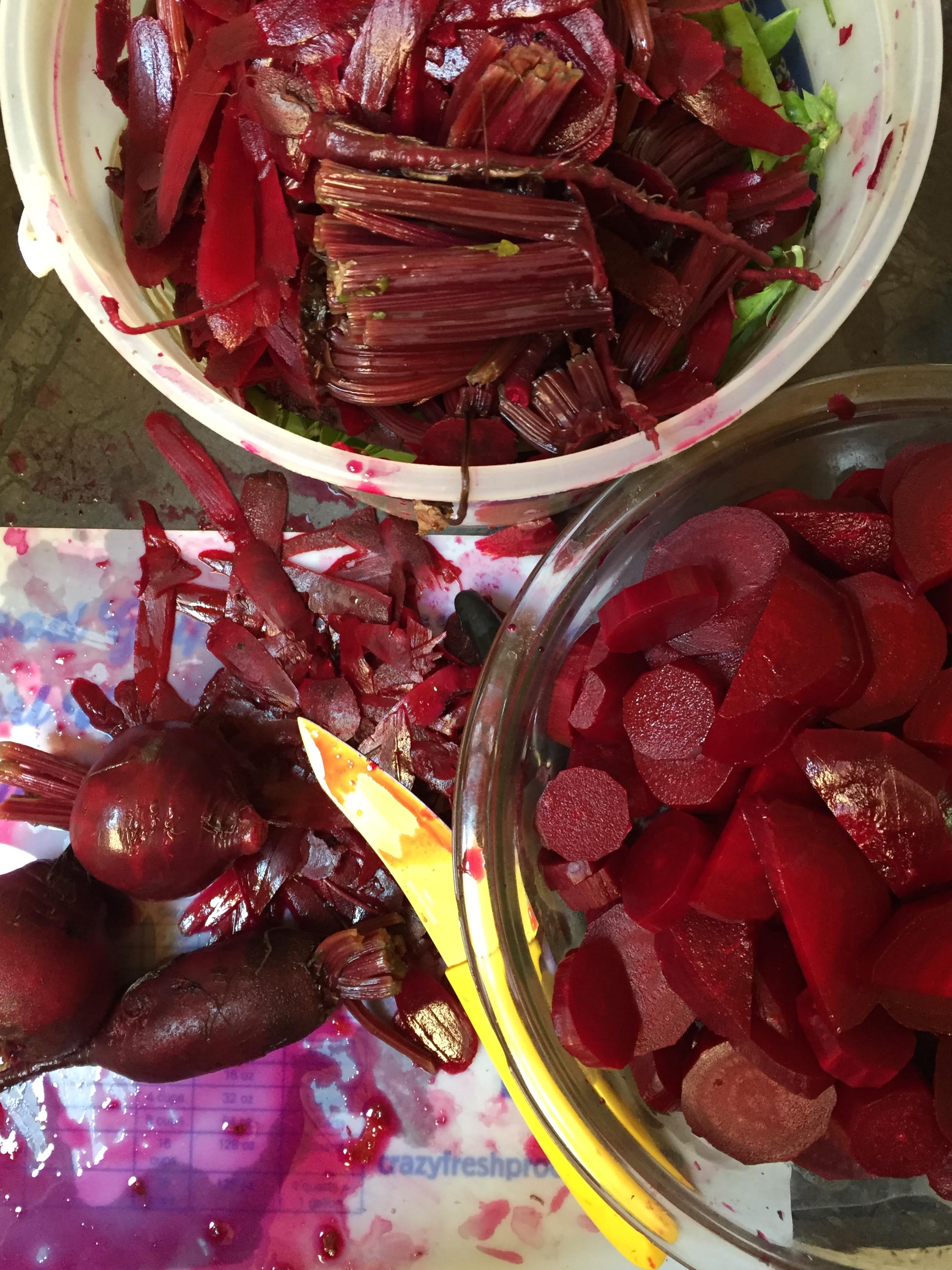
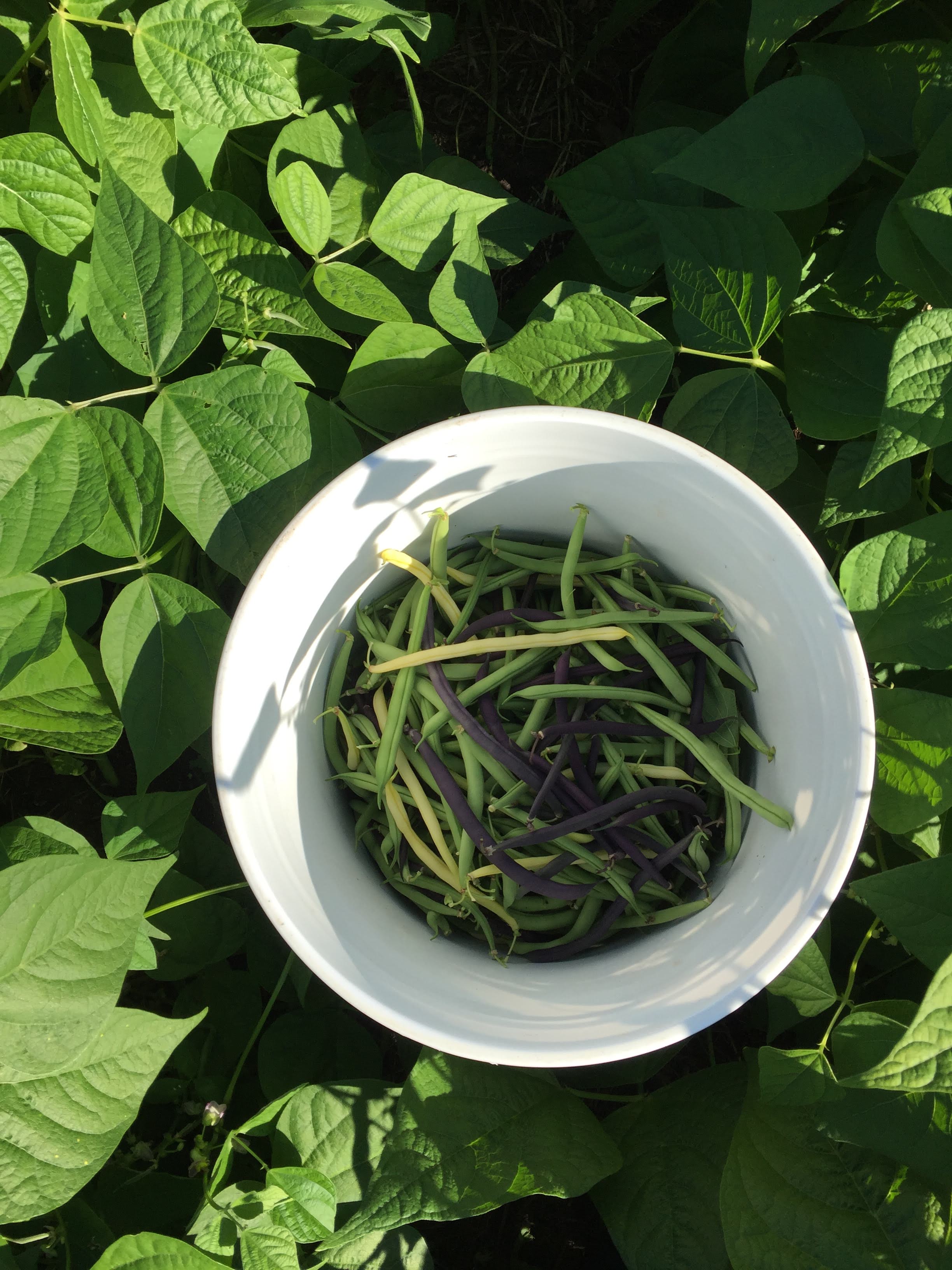
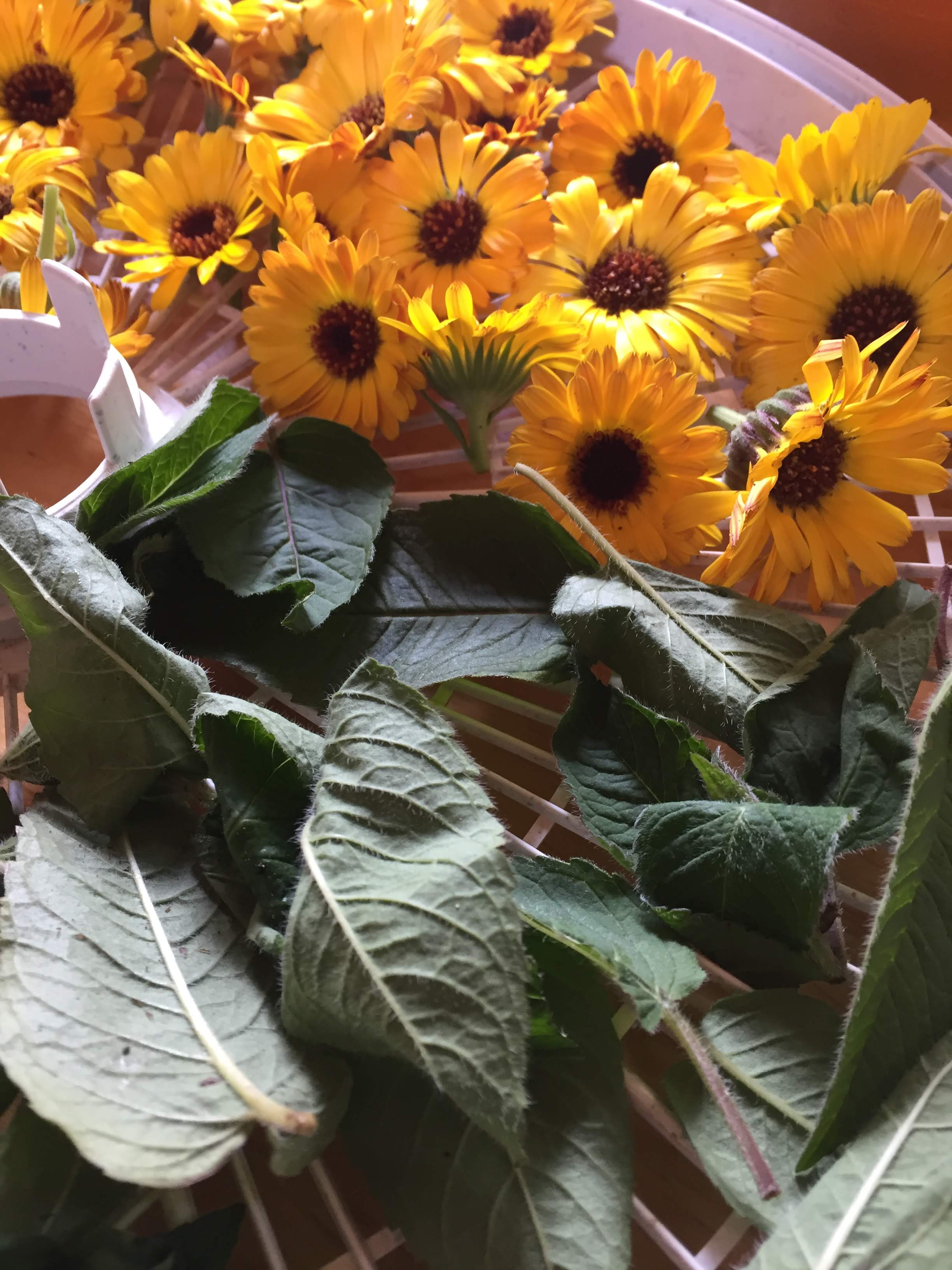
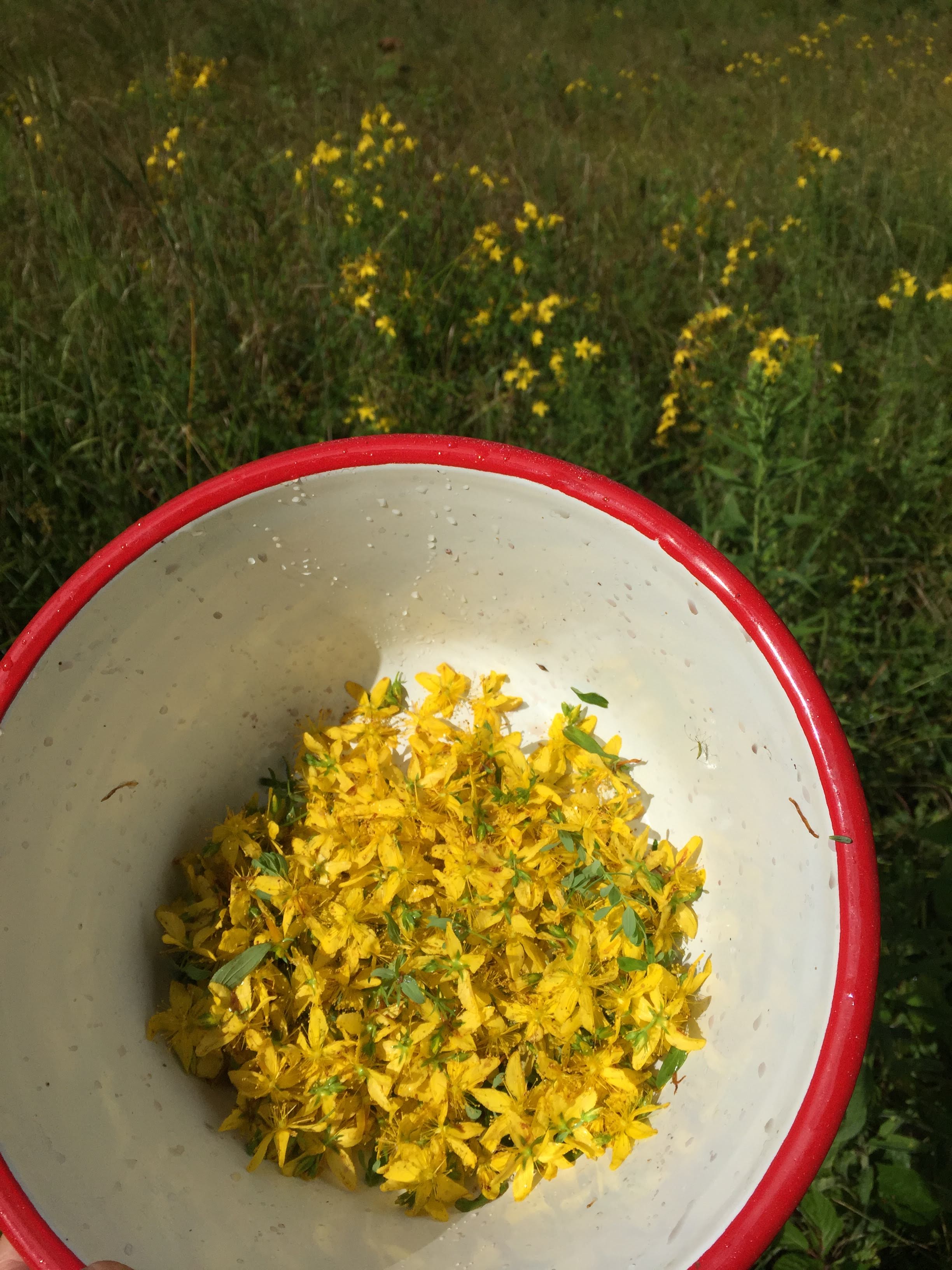
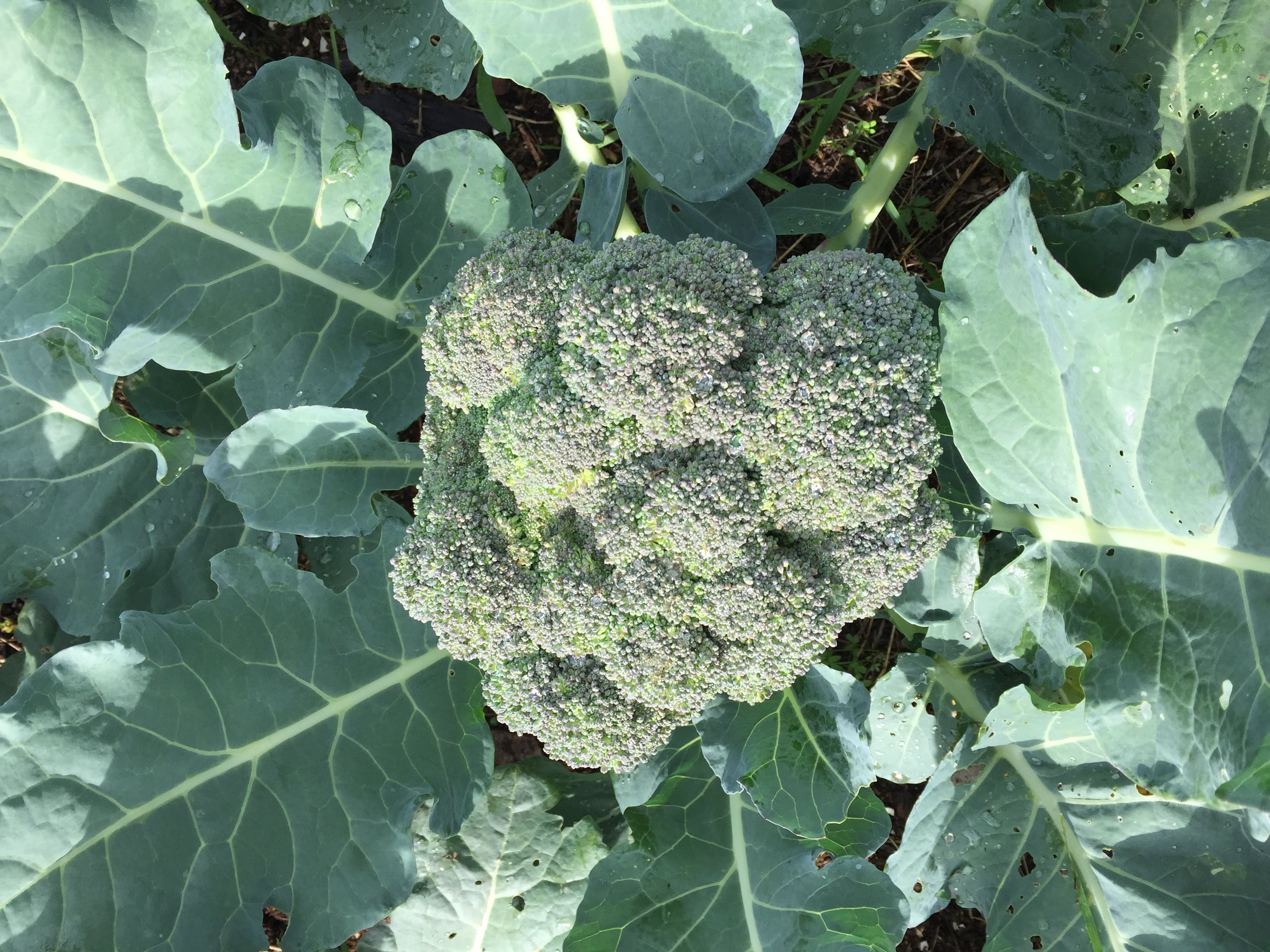
Alright, I’ve spent enough time on words for now. Plus, it’s almost time to do chores. Here are some images that give a snapshot of projects in the last two weeks:

How about following us on Facebook & Instagram?

Cheers! Peace, Love and Nature,
-L

It’s Spring Cluttering Time!

The snow has melted, the weather is warming, the crocus flowers have come and gone, buds are showing themselves on trees, mud is everywhere. Spring has arrived and here on the homestead that means it’s a productive time – Spring cluttering time is here! Yeah, you read that correct. Not Spring cleaning (although it seems we are always cleaning here), in spring it’s truly cluttering time in the yurt and around the homestead. Let me explain.

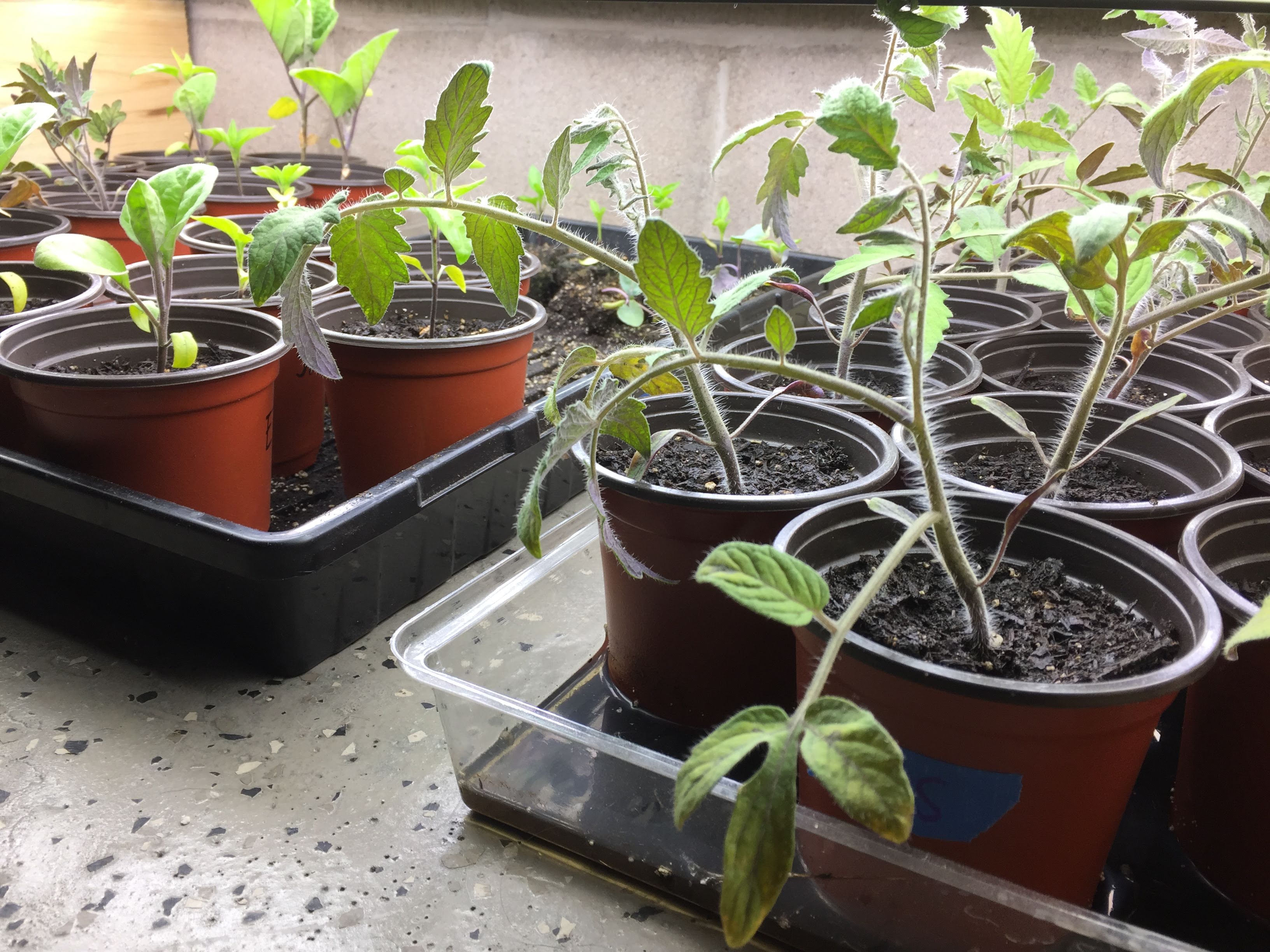
Tim’s spring project is getting as many plant starts going so come end of May we plant the garden full of our own plant starts. We currently have over 180 garden plants growing in our yurt. While the plants are contained and organized, there is definitely an amount of space they consume that is normally unoccupied. The project starts annually at the end of March. Tim built a simple set-up: A hand-built rack, shop lights running on a timer, and heating pad for a portion of growing time. All the plants seem to be off to a great start. By mid-May they’ll start to go outside for a portion of the day to harden off and get ready for planting. This is always the part I’m most nervous about, the risk of losing them after all the time and effort!

sprouting plants in soil
Thermometer in soil, used to monitor a constant temperature that is ideal for germination and growth.

What we have growing: paste tomatoes (my go-to sauce tomato), cherry tomatoes, slicing tomatoes, 3 types of sweet peppers and 1 type of hot pepper, eggplant, cabbage, broccoli, multiple types of squash, cucumber, zucchini, various melons and pumpkins. Next we’ll hand sow the peas and some root vegetables into the garden. By late May and early June all the planting will take place in the garden, including everything not started inside (beans, corn, carrots, etc.).

Eggplant and tomatoes, happily growing under lights.

I love all the plant starts, the self-reliance of it, they make our garden frugal and sustainable (vs. buying all the plants from the store), the temporary clutter….totally worth it.

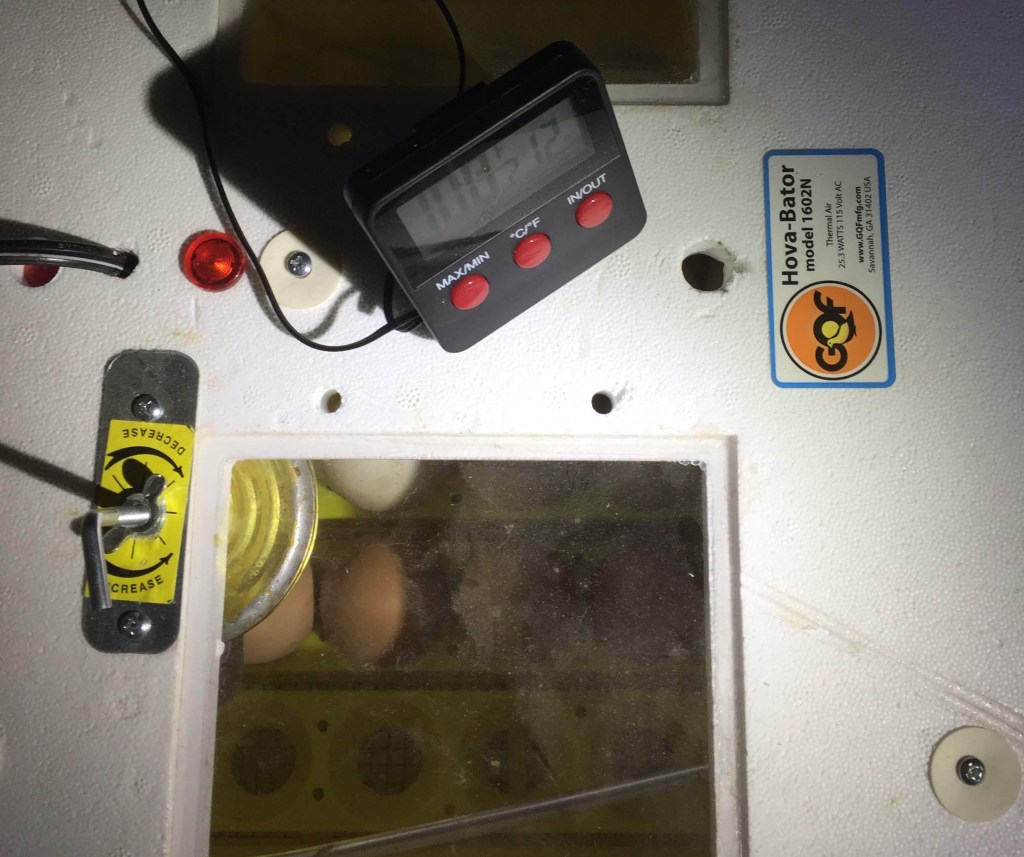
In another spot we have a delicate situation taking up space. It’s our first time at incubation (thanks to our neighbors who have loaned us their incubator)! 8 duck eggs and 10 chicken eggs are incubating. So far it looks promising. Candling after one week shows the development we should expect. Fingers crossed we can expand our flock in this frugal and self-reliant way.

eggs in incubator
Our own duck and chicken eggs in the incubator.

Outside, other clutter appears. The outdoor hose is running again so outdoor things that have needed washing are now cleaned and lined up by the hose, drying the in the sun. Wood that’ll need cutting and splitting for next winter is starting to pile up, waiting to be split and organized nicely in the wood shelter.

The clutter around here represents how busy the spring season can be for us. It’s a beautiful, productive, and self-reliant clutter. In just a short time it’ll all find it’s way to another place on the homestead where it will eventually disappear because it’s providing for us. With that, I have to say, I’m thankful for this clutter!

Peace, Love & Nature,

-Lisa