10 FREE Ways to Be Resourceful and Learn all the Things*!

*Disclaimer: It’s not actually possible to “learn all the things” as the title suggests – but it sure can be fun trying!

Please excuse me while I geek out in this post about learning. I love learning. I want knowledge. I want to know as much as I can, even if it’s fairly useless information 🙂  I’m naturally curious. I love asking questions or, alternatively, just sitting back and observing a learning opportunity.

A lot of work has gone into our beloved White Sky Woods. Sure, physical work like building a yurt, but also a lot of brain work and knowledge building as we want to be as prepared as possible to make a success of turning our Homesteading dreams to reality.  Because I love learning so much,  I’ve stumbled across many resources to facilitate that desire to learn. Along with learning, I also enjoy teaching, so here I go…having fun sharing what I know!

Here are 10 FREE ways that I feed my appetite for knowledge:

1.) Social Media.  My favorites are Facebook and Instagram. Use the search function to explore the various pages and groups on Facebook. Facebook Groups are a nice feature because they allow you to interact with other people in that group more socially than on a Facebook page. On Instagram, find different brands you like or search to find Instagram users who have similar interested based on their profile description or the hashtags they use.

2.) Books. I couldn’t even begin to afford, or find space, for the sheer number of non-fiction books I would like to read. That’s why I love the library!  If my library system doesn’t have the book, they can find it in another library system and request it.  I hear about books of interest from e-newsletters, publishers I follow, authors I follow, social media groups, etc.  A great book I just read was Practical Permaculture by Jessi Bloom and Dave Boehnlein.  I also like to visit the local bookstore, have a cup of coffee and explore their shelves.

3.) Magazines.  Because we have a frugal budget we do not subscribe to any magazines, however, finding them at local bookstores is a great way to page through, read what you like, or explore the authors of the articles on social media. Or, consider doing a magazine share with a friend who is interested in subscribing to similar magazines. You can order one and they can order another. Then, when your issue comes, read through it and do the exchange with your friend.  A library is also a great resource.

4.) Podcasts.  I currently spend over an hour a day commuting for work.  I won’t have this commute once we move, so I’ll have to find another way to find time for my favorite podcasts. Using iTunes podcast feature can help you find podcasts on many topics. You can subscribe to them so that when new ones are released, you’ll get notified. I access then via the Podcast app on my iPhone. My weekly podcast listening always includes The Sustainable Living Podcast, Sow Edible Permaculture Podcast, Zen Parenting Radio, and The Rich Roll Podcast.  The latter two have nothing to do with homesteading, but they positively impact my wellness, which is just as important for personal success.

5.) Following blogs, subscribing to e-mail newsletters.  Visiting blogs? Searching authors from articles you read? Interested in specific non-profits or movements you found webpages for?  Many of these will have e-newsletters that you can subscribe to for free or get blog updates from the authors (like our blog).  Just look on the website and see if there is a place you can subscribe.

6.) Sign up for free webinars. I subscribe to several e-newsletters from sustainable living and gardening groups or people. It seems the thought-leaders in these groups are all interconnected.  By e-mail update, I hear about free week long seminars that take place online.  Many thought-leaders in the world of gardening, sustainability, permaculture, and other similar topics present at these free online events and it’s a great way to learn from them.

7.) Join forum resources like Reddit. I just recently discovered the addictive power of Reddit on knowledge seekers like me. I try to visit daily. I subscribe to several subreddits like r/homestead, r/homesteading, r/permies, r/sustainable.  Maybe you are even reading this blog because you found it posted on reddit. Checking reddit out for the first time?  Give yourself time to explore and get immersed in it.

8.) Attend seminars, events, and open houses put on by organizations that align with your homesteading goals and values. Find these by looking at community calendars, social media, etc.  Last summer we had the opportunity to attend the Mother Earth News Fair, (not free, but affordable) which came to Wisconsin in 2016. We listened to expert speakers on everything from renewable energy to chickens. Tim listened to Eliot Colemen speak about extending the harvest season. I also saw Will Allen speak. I read his book a few years ago and have been following his initiatives to bring real food to urban communities. I stuck around after and was able to meet him!will allen
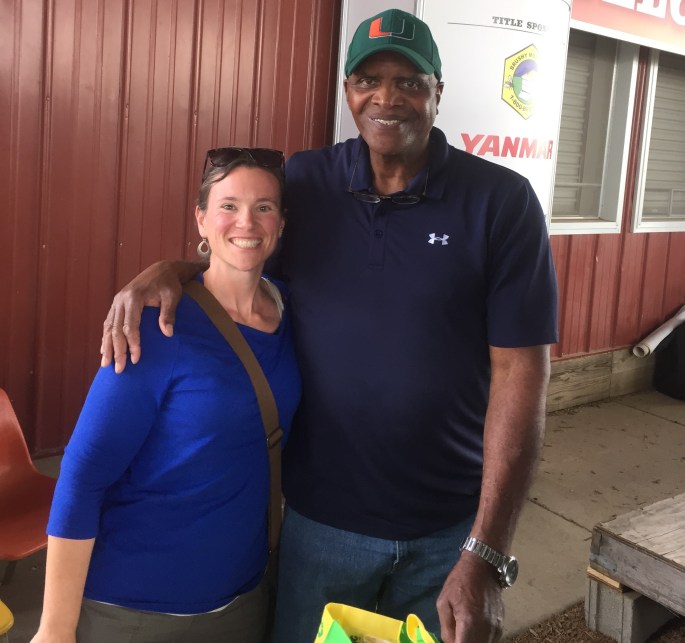
9.) You Tube. A simple YouTube search will lead you to whatever you want to learn about….or talking dog videos (including my kids’ favorite).  If you find a video that interests you on the topic of homesteading, check to see if the user who published it has other videos. “Subscribe” to them if you like what they have to say and you’ll get updates when they release new videos.

10.) People you know. In a past post I talked about finding your tribe. Surround yourself with people that align with your practices, values of sustainability, or do some level of homesteading.  These people typically LOVE to share what they know and have learned from experience.  Many of them are also the ones participating in the multiple resources above.


Know of any great learning resources for homesteaders that you’d like to share? We invite you to comment below!



A Howling Good Time at CopperDog 150

CopperDog 150 has been annual tradition for our family. We always have a great time and this year was full of new memories.  Because our yurt is shut down for winter (no running water, no heat, and questionable access), we stayed in Calumet at a great little Airbnb apartment that was perfectly situated directly above the CopperDog start and finish line. What’s great about that was we watched portions of the race from inside since the temperatures were very cold on Friday night during the start. The apartment made it a lot more enjoyable, especially for  Woodland, who is 2 years old.

IMG_7800.JPG
Flora watching the race comfortably from inside! (Photo Credit: Corinna Greenwood)


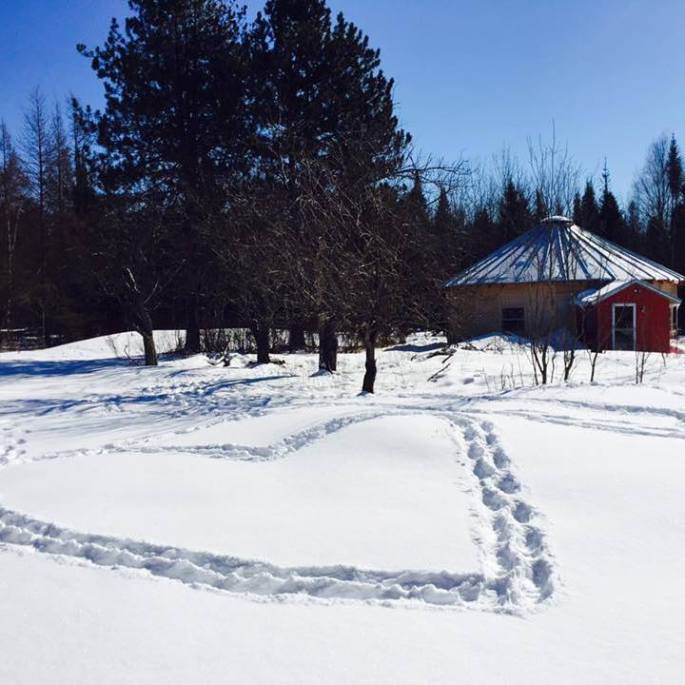
On Saturday we spent a portion of our day visiting White Sky Woods. The yurt was nestled sweetly in the snow. We hiked around looking for animal tracks in the snow.  Officially, there are many deer and squirrel track, but we didn’t see any wolf, coyote or other critter trackers.  Tim also left some tracks…our place is so full of love.

yurt heart.jpg
Winter yurt love.

Sunday, the finish of the CooperDog 150 was taking place. The kids were eager to see the dogs again, and especially Flora who signed up to volunteer with Tim as an “Official Bag Checker”.  A friend of ours invited us to help out, and we are so glad she did. This volunteer role allowed Flora to get a behind-the-scenes look at the finish line.  What the mushers do with their dogs, how the dogs get fed, what a vet-check looks like, etc. It was a busy few hours. Flora and Tim did a great job and Flora has already said she wants to do it again next year!

bagcheck
Official Bag Check!

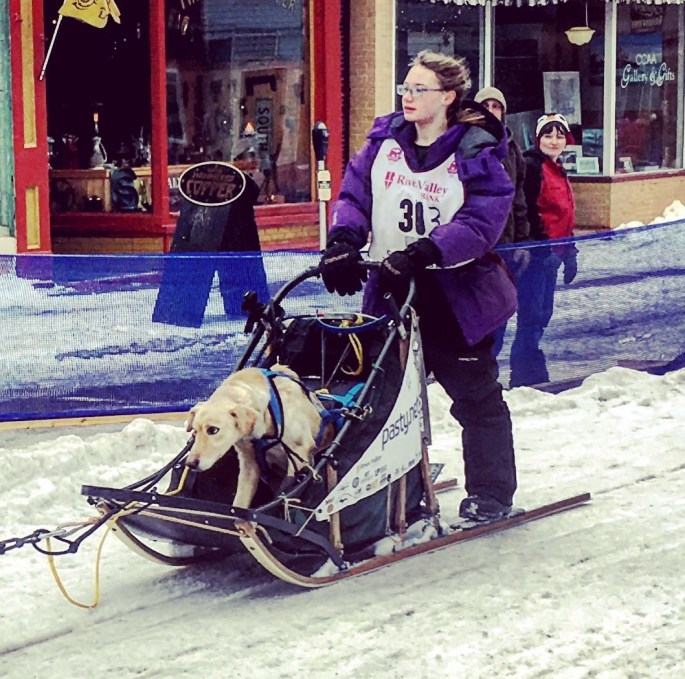
While they did the bag check, Woodland and I had a great time cheering on the race finishers, including this racer, an 11-year old girl. So cool!

IMG_7801.JPG
Young CopperDog musher and “bagged” dog.  Photo Credit: Corinna Greenwood

We love what this event is for the community and awareness it brings to this lesser know sport.  We’re looking forward to being able to get more involved in CopperDog 150 2018 since we’ll be moved and not have to be concerned with long travel or finding a place to stay. What great new memories it is sure to bring!

5 Things We’re Doing for Homesteading Success

I’ve always been a “planner”.  Once this life project we call White Sky Woods got started back in 2009, I came to realize that all the planning I’ve ever done in my life and for work would really come in handy!  The preparing, studying, projecting, budgeting, and other organizational tasks were useful from the very start and through to where we are now – about to make the plunge of turning dreams to reality. It helps that both Tim and I are organized people. We work through ideas logically and creatively.

Based on our individual skill sets, we quickly found our own area of expertise and roles in developing White Sky Woods. Tim can visually plan and then take that plan to build anything.  He’s scrappy and resourceful, making him an amazing problem solver. Tim served as our contractor, architect, and builder (every building job in between mason to electrician). Working together we devised an energy-efficient, cost-effective home plan suitable for our family (a yurt!). Tim took our ideas, got them on paper, and then proceeded to build them to reality. There were only two things we could not complete on our own. This included drilling the 220 ft. well (although we truly did attempt at “drilling” our own well with a sand point – that’s a whole other story), and installing a full septic system (man, we really wanted to do a grey water system, but it’s against the law). Coming from a working background with budget keeping and job planning, Lisa’s role quickly turned into an accounting, billing, project planning and pacing, job-site assistant and general consultant position. We worked together like a Chief Operations Officer and Chief Financial Officer, and we made an outstanding team.

Did I mention we’re married? Some people I’ve talked to about White Sky Woods say their marriage would never have happily survived this process, but our marriage has thrived. Having a similar vision and then physically building it together has been simply AMAZING.

A quick snapshot of our plan over the past 8 years?

1.)  buy affordable remote but accessible land (we ended up with 80 acres in the Keweenaw Peninsula of Michigan)

2.) hand-build our home (we decided on a yurt) and homestead surroundings – debt free.

3.) create an attainable vision for ourselves that includes homesteading, growing and preserving food, raising animals on a small-scale, and being more self-reliant while working toward financial freedom.

I was recently listening to the Sustainable Living Podcast, episode 55 where Marianne interviews Stacy and Amy from Sow Edible Podcast. She talks to Stacy and Amy about their journey to homesteading. Since they are a married couple with children who practice permaculture on their homestead, it felt very familiar. They touched on what they did to get prepared for their move from a “typical” home and jobs to homesteading.  Afterwards, I began to reflect on all the things we’ve been doing to help us be prepared (well, as much as possible) for the change in making a homesteading lifestyle successful for us!

Here are 5 things that came to mind:

1.) Use free resources to learn! I have so many details on this, it deserves an additional blog post (coming soon)!  Some of my favorite ways to learn include following blogs, listening to podcasts, finding active people, groups, and pages on social media, attending events and reading books – lots and lots of books (magazines too). Some books we have purchased for ongoing reference, but the library is a great free resource to get books on any topic you want. Our current reading stack from the library looks like this.

fullsizerender

2.) Find a tribe.  Interested in raising sheep?  Join a local spinning guild.  We did, we learned to process sheep’s wool in order to spin fiber to yarn and then weave, crochet, and knit with it!  Want chickens?  Buy eggs from a local who keeps chickens. We have Dan the Egg Man (that’s our nickname for him). He’s shown the kids the baby chicks in the incubator, and we see what his chicken housing set-up is like so we can continue to explore our own options.

3.) Visit homesteads or small-scale farms. We’ve taken several family vacations to small-scale farms. Farmstay US is a great way to access these types of places. The kids got to interact with the animals, and we got to learn how these families run their homestead.  We’ve done everything from milking goats, to making yogurt, to butchering chickens. Go during lambing or kidding season for a truly unique experience!

flora-goat
Flora – Age 3 with baby goat

4.) Surround yourself with support. Tell people about your goals, dreams, and aspirations. They may not completely understand or have any desire to do the same plan for themselves, but if they are good people to have around, they will engage with what you are doing, cheer you on and bring more positive energy into your project.  Focus less on the people who are naysayers and more on the people who make you feel good and give interest in what you are doing.  Just as running a marathon isn’t for everyone, anyone should be able to take a step back and recognize the hard work a person has done to achieve that marathon and appreciate them for that and that they are following a goal. Same goes for the homesteading lifestyle.

5.) Practice!  For many years, we’ve been growing a garden, learning what works and doesn’t and why, preserving our homegrown food with multiple methods and creating meals from that food. Part of this practice has also been to choose a simple lifestyle – NOW. Our transition shouldn’t be as shocking as it could be because we’ve been choosing a simple, low-cost life. We’ve been building White Sky Woods in a debt-free way, so we’ve been living below our means in effort to support the debt-free initiative.

I stumbled across an internet quote that stated: “A goal without a plan is just a wish.” I agree. Will mistakes be made?  Sure. But from those we will adapt and keep learning, trying, and doing.


Onward in Life, to the North we go!

“The power of imagination makes us infinite.” – John Muir

Have you ever heard someone (or god forbid, yourself) say any of these sentiments?

“Man, I regret not doing that!”
“If I didn’t have so many responsibilities I would …”
“I thought of doing …, but then life happened.”

Did you ever have a big-idea that you just wrote off as a “dream” or a “maybe someday”?

For our family -our “dream”, our “maybe someday” has arrived!  Never will we be able to look back on our “dream” and say – “I regret not doing that.” 2017 is the year…June is the month.

  • We sell our house and move from Wisconsin to the Upper Peninsula of Michigan
  • Our full-time residence becomes our hand-built yurt
  • Lisa “retires” from her 15 year career in marketing
  • We adapt to a lifestyle of homesteading, sustainable living, self-sufficiency
  • We go full force into the lifestyle of living off less and with less (we’ve been practicing for some time)

We’re determined, researched and well-planned, totally and completely positive in our mindset, full of love, and perhaps a little bit crazy. 😉

Join us on our adventure by following this blog, or here or here or here.  Wishing you peace, love, and nature.

wsw-flyover-square
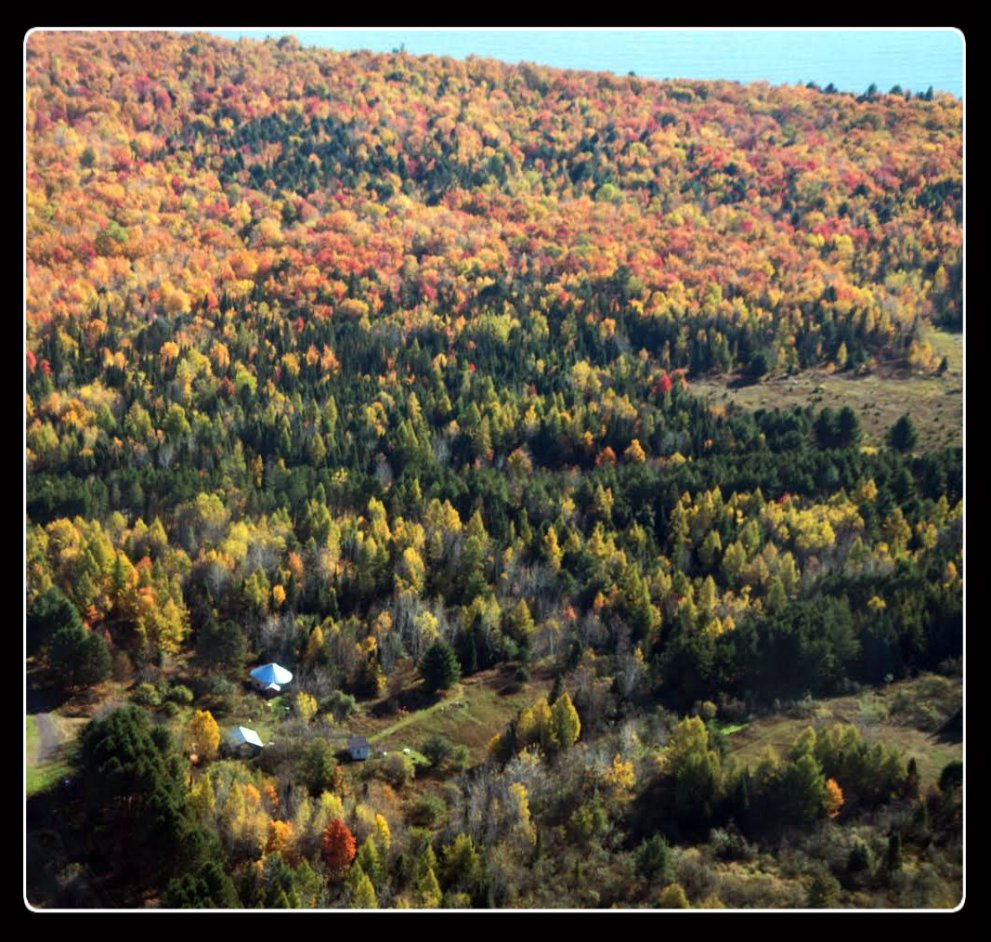
Flyover, Fall 2016